A sugar substitute fit for humans, which can be lethal to your dog

Xylitol Toxicity
What is xylitol and where can it be found?
Xylitol is a natural sugar alcohol that is commonly used as a sugar substitute in human foods. It is found in and extracted from corn fiber, birch trees, hardwood trees as well as other fruits and vegetables.
False Pregnancy

Pregnancy
False pregnancy, also known as Phantom pregnancy or Pseudo-pregnancy, is a condition of both dogs and cats, whereby the unsterilised female animal (regardless of whether she was mated or not) shows some or all of the typical signs of pregnancy but is not really pregnant. In other words, she shows mammary gland development (with or without milk production) but does not produce any offspring.
Lameness in old dogs

Lameness
As a dog gets older, he or she may start to struggle to get up or get a little slower on walks. You may notice that they are worse in winter than in summer or after resting for a prolonged period. Sometimes they may not to be able to place any weight on a leg at all and this may happen quite suddenly. Lameness in older dogs can be broadly placed in three categories:
Proptosis

Displacement of the eyeball
Proptosis is defined, as the forward displacement of the globe (eyeball) out of the socket, with the eyelids trapped behind the globe.
Proptosis is an ophthalmic emergency. Any suspected trauma to your pet’s eye warrants a visit to your veterinarian immediately.
Breeding with your dog

Breeding
Understanding the female’s cycle
A female dog will only come into heat for the first time between the age of seven months and anytime up to a year of age. Occasionally this period may be longer. The age at which they first come into heat is governed by a combination of factors but usually smaller breeds start at a slightly younger age than the larger breeds. This is by no means a set rule as there is a great variation. Once she has started to cycle, a female dog will then come into heat every 4 to 7 months but your
Can I give my dog a bone?

Feeding your dog bones - the good, the bad and the ugly
Although most of us grew up with the assumption that bones are good for our pets this is in fact a fallacy, one that more pet owners should be made aware of. Let’s look at some effects and risks involved when feeding bones to pets.
What is trichobezoar?

Hairballs in cats
The elusive and very unpleasant hairball is something that every cat owner will experience at some point. Cats in general are very clean and well-kept animals and grooming is an essential routine for them to ensure their cleanliness. A healthy cat is one that grooms. Hairballs are simply a by-product of your cat’s hygiene.
Can I treat my pet's wound at home?
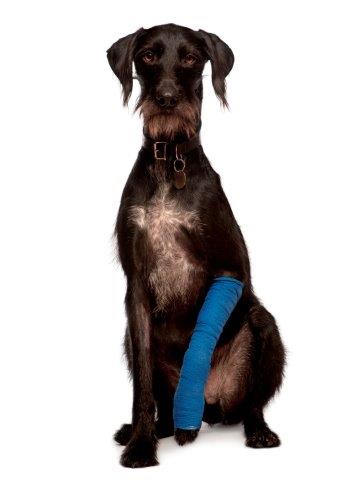
Wound Care at Home
When managing wounds at home it is important to always contact your veterinarian for assistance. Many home and even human wound remedies are not suitable for use in pets. Determining factors in deciding whether a wound can be treated at home or needs veterinary care includes the severity and age of the wound, the cause and location of the wound, and most importantly if the pet is leaving the wound alone. In most instances the safest and most effective way to deal with it is to take the injured pet to the veterinarian for initial treatment and advice on continued
Pregnant women have to watch out for this bug carried by cats

Toxoplasmosis
Introduction
Toxoplasma gondii is a tiny organism, slightly bigger than a bacterium, called a protozoa. This parasite has a worldwide distribution, except in the absence of cats. Cats are the only animals capable of completing the life cycle of this organism. Other warm blooded animals, including cats can serve as intermediate hosts for the parasite. The organism has a very high prevalence, but rarely causes clinical disease in dogs and cats. This is an important parasite to be aware of due to the fact that it is an important zoonosis, meaning it is an animal disease that can be transmitted to
Why is my dog limping with his hind leg?

Patellar Luxation
Patellar luxation is a condition where the knee cap does not run in its groove but slips off to the side. Luxation is a learned word for “slipping”. It is a condition which is regularly encountered in dogs and more commonly in toy breeds. The condition can be developmental or traumatic in origin.