Pancreatitis in cats

My cat is vomiting, lethargic and has no appetite
The pancreas is an organ located near the stomach and alongside the small intestine. It is responsible for producing digestive enzymes and hormones (such as insulin) that regulate blood glucose. In cats, pancreatitis is a serious condition in which the pancreas becomes inflamed leading to poor appetite, listlessness, dehydration and vomiting. It is also commonly diagnosed together with other diseases and can have life-threatening and severe long-term effects. In this article we will discuss the causes, symptoms, diagnosis, treatment and prevention of pancreatitis.
Gastric dilatation volvulus

My dogs abdomen is distended and he's acting very restless
It’s a scary situation when your dog looks like he has a bloated tummy, but he’s really experiencing a life-threatening medical emergency. Gastric dilatation volvulus or GDV is also called bloat, but it’s more than just a bit of air in the stomach. Its other name – gastric torsion – describes how, once inflated with air, the stomach can also twist around itself and cut off blood supply to other major organs. The body then goes into shock and the condition becomes life-threatening.
Heart diseases in cats

My cat seems to have breathing difficulty and is lethargic
The American Veterinary Medical Association suggests that one in 10 cats across the globe is either born with or develops some form of heart disease in their lifetime. There are a number of different types of heart disease in felines, but all of them present with some kind of abnormal structure or function of the heart’s chambers, valves or surrounding muscle.
Urolithiasis

My pet has begun to pee a lot more frequently, but in smaller amounts. Even though she's house-trained, she still pees in the house and sometimes there is blood in her urine.
What is urolithiasis?
Urolithiasis is the long-winded Latin term to describe the development of bladder and kidney stones. The term ‘uro’ describes the urinary system, while ‘lith’ means stone.
Eclampsia in pets

My dog/cat recently had puppies/kittens and is starting to show strange twitches and spasms
What is eclampsia?
Eclampsia is a life-threatening condition in dogs and cats that have recently had a litter of puppies or kittens. It has been seen in pets that are pregnant or giving birth, but more commonly occurs one to four weeks after giving birth. It is a medical emergency caused by a sudden drop in blood calcium levels, usually due to calcium loss during pregnancy and nursing.
Coughing

My pet seems to have a persistent cough. What caused it and what can I do about it?
Coughing is one of the most common syndromes veterinarians all around the world encounter during consultations. Coughing in itself is not a disease, but a symptom of something else in your pet. The onset, type of cough, duration and production will help the vet to get to the bottom of what’s going on inside your pet.
Is my dog ill?

Common signs of illness in dogs
Thanks to the nationwide lockdown, we’ll all be spending the next three weeks in the constant company of our furry friends. As the days go by, you may notice some behaviours or signs in your dog that you haven’t noticed before and may wonder if these are cause for concern. This article will outline the most common signs of illness that you may notice in your dog.
Is my cat ill?
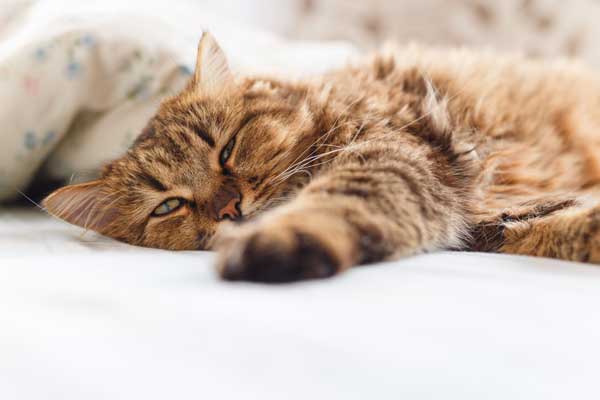
Common signs of illness in cats
Thanks to the nationwide lockdown, we’ll all be spending the next three weeks in the constant company of our furry friends. As the days go by you may start noticing some behaviours or signs in your cat that you haven’t noticed before and may wonder if these are cause for concern. This article will outline the most common signs of illness that you may notice in your cat.
My cat is eating like crazy and not picking up weight

Hyperthyroidism in cats
What is hyperthyroidism?
Hyperthyroidism is a condition that arises from an excessive production and secretion of active thyroid hormones by an abnormally functioning thyroid gland. First recognised in the late 1970’s, the frequency of diagnosis has escalated dramatically - currently it is the most common endocrine (hormone system) disease in cats and also one of the more frequently diagnosed disorders in the veterinary field. The condition is estimated to affect 1 in 300 cats.
My cat has suddenly gone lame in her hindquarters and seems to be in a lot of pain

Feline Aortic Thromboembolism
What is Feline Aortic Thromboembolism?
Feline Aortic Thromboembolism (ATE) is a condition in cats where a big blood clot settles and blocks the main artery (the aorta) running from the heart to the cat’s hind legs. The clot typically settles near the pelvis, where the aorta divides into the two main arteries that extend into the legs.