Is your pet safe?
Fatal Diseases that can easily be prevented
Fatal Diseases that can easily be prevented
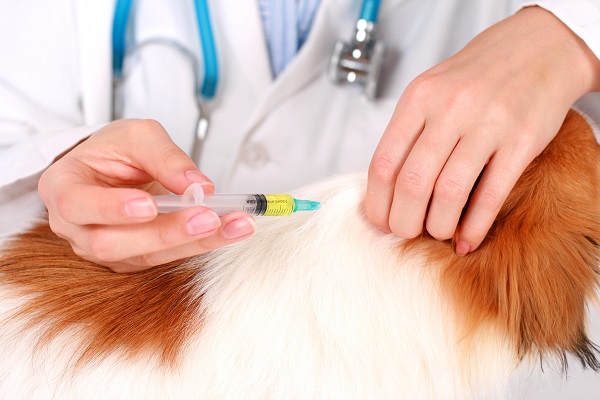
There are some fairly common fatal diseases in animals which can and should be prevented wherever possible. This article looks at how these diseases present, what they lead to and most importantly how they could be prevented. Today we have more information about our animals and the diseases they may suffer from than ever before. With this knowledge comes the means of preventing these conditions that years ago would have meant certain death to our beloved pets. The most important means of disease prevention readily available to us is vaccination. A simple annual health
What causes back pain in dogs?
Disc disease in dogs
Introduction
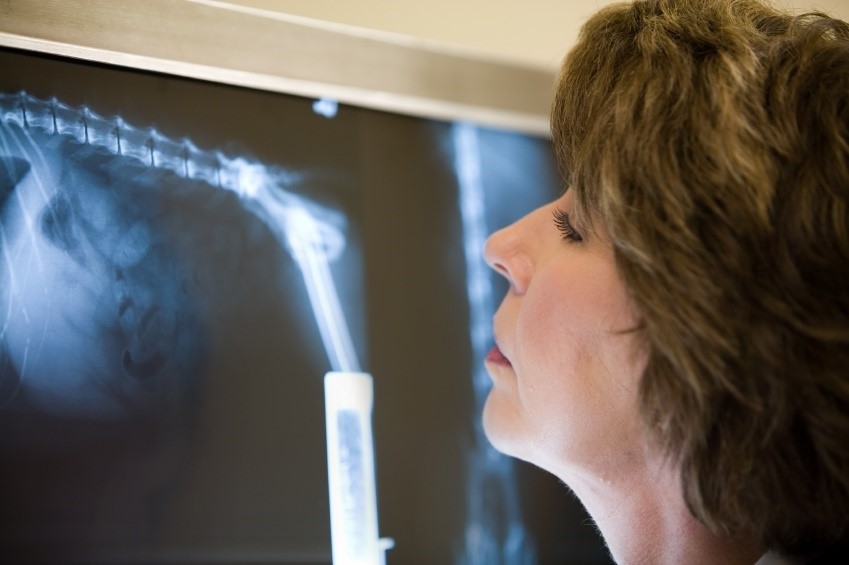
Intervertebral disc disease is a term that describes the condition in which the softer cartilage like material in between the bones of the spine, called an intervertebral disc, pushes onto the spinal cord, causing clinical signs that varies from slight back pain and discomfort to complete paralysis of limbs. Even with the slightest clinical signs, your pet should be examined by the vet to establish how serious the condition is and be treated accordingly. The earlier this is attended to, the better the overall outcome.
Old man's gland - Do dogs have the same problems as humans?

Prostate disease in the dog
The prostate is the only accessory sex gland in the male dog. It is a butterfly shaped structure that surrounds the urethra (the tube that connects the bladder to the outside). Due to the location of the prostate, it can affect the urinary system, the colon and the hind legs, as well as having some systemic effects. Prostatic fluid is produced continuously in the dog. Prostatic fluid makes up most of the volume of seminal fluid (the fluid that carries semen). The prostate has many nerves and blood vessels running to it but is surrounded by a thick capsule, which
Pregnant women have to watch out for this bug carried by cats

Toxoplasmosis
Introduction
Toxoplasma gondii is a tiny organism, slightly bigger than a bacterium, called a protozoa. This parasite has a worldwide distribution, except in the absence of cats. Cats are the only animals capable of completing the life cycle of this organism. Other warm blooded animals, including cats can serve as intermediate hosts for the parasite. The organism has a very high prevalence, but rarely causes clinical disease in dogs and cats. This is an important parasite to be aware of due to the fact that it is an important zoonosis, meaning it is an animal disease that can be transmitted to
My young cat seems ill

Feline Infectious Peritonitis
Feline infectious peritonitis (FIP) is a serious and most often fatal disease affecting cats. It is most commonly seen in young cats between the ages of six months and two years. It has been found to affect male cats more commonly than females and purebred cats particularly the Asian breeds are more susceptible. It is characterised by fluid build-up in body cavities such as the chest and abdomen and neurological signs. It can affect all major organs and inevitably results in death. It may be referred to as Feline coronavirus polyserositis (wet or effusive form) or granulomatous feline infectious peritonitis
Can humans get worms from dogs and cats?

Zoonotic helminths - Worms which humans can get from pets
Have you ever wondered if humans can get worms from dogs and cats? You don’t have to wonder any longer, the answer is ‘yes’. In this overview we look at which worms can be transmitted between pets and humans, what diseases they cause and how to prevent this potential health risk.
My pet has red urine - what does it mean?
Bladder Stones
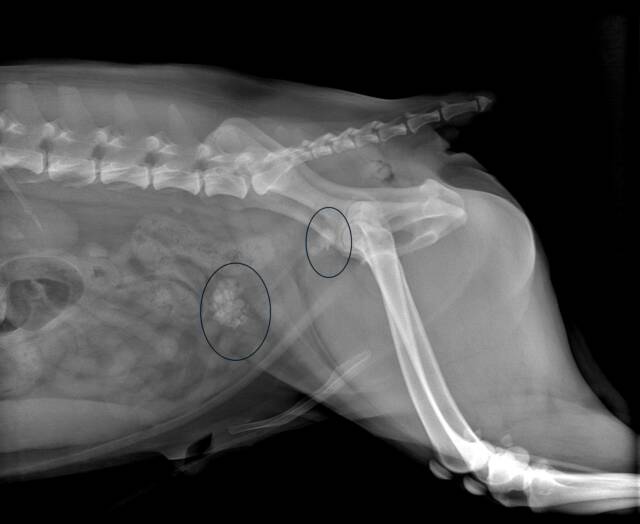
Bladder stones is a condition that occurs in dogs and cats of various ages, sex and breeds. Bladder stones are also called urinary calculi or uroliths. These are mineral like formations that form anywhere in the urinary tract, including kidneys, ureters, bladder and urethra. The most frequent location is the bladder.
Feline Leukaemia Virus (FeLV) infection in cats

Feline Leukaemia
Introduction
Feline leukaemia (FELV) is a disease of cats caused by a virus called a retrovirus. It is called a retrovirus because of the method it uses to replicate inside the cat. It is the same type of virus as the human immunodeficiency virus and although there are a lot of disease similarities, several studies have shown that the disease is not transmissible to humans. FeLV is one of the most dangerous diseases that affect cats and is a major cause of death in cats. Fortunately the prevalence of the disease has decreased in recent years due to the use of
Cat Aids

Feline Immuno Deficiency Virus
How does Feline Immunodeficiency Virus (FIV) compare to Human Immunodeficiency virus (HIV)?
Feline immunodeficiency Virus (FIV) has similar building blocks and is related to Human Immunodeficiency Virus (HIV), but very importantly, it cannot be passed between cats and humans. The virus can also not be transmitted from cats to dogs. Both FIV and HIV viruses share a similar pattern of disease progression. Both viruses are classified as Lentivirus, which means they have a long period of showing very few clinical signs during which time the immune system deteriorates. Eventually Acquired Immunodeficiency Syndrome (AIDS) develops and this is accompanied by opportunistic infections,
"Crocodile Mite" skin disease in dogs and cats

Demodectic mange in dogs and cats
Demodex is a mite that lives in the hair follicles of most mammals. It is species specific which means that different types of animals, including humans, have their own type of mite. It is a normal inhabitant of the skin and is most commonly not contagious. The mite is usually passed on to puppies from their mother in the first 72 hours of life. The puppy's immune system usually copes to contain the mite but sometimes an overgrowth of the mites occurs and this is when symptoms of demodicosis also referred to as mange are seen. Mange is a collective